
Views: 0 Author: Site Editor Publish Time: 2025-12-17 Origin: Site
Few items of jewelry possess the enduring allure of a diamond. It captures light, draws the eye, and symbolizes strength and eternity. While rings often steal the spotlight during engagements, a diamond pendant necklace remains the unsung hero of a versatile jewelry collection. It rests close to the heart, offering a touch of elegance that can elevate a casual brunch outfit just as easily as it complements a black-tie gown.
Selecting the right one, however, can feel overwhelming. With various cuts, settings, chain lengths, and metals to consider, the options are vast. Whether you are treating yourself to a well-deserved sparkle or searching for a sentimental gift, understanding the nuances of these pieces ensures you make a choice that will be cherished for a lifetime. This guide breaks down everything you need to know to find the perfect piece.
A diamond pendant necklace consists of a central diamond ornament (the pendant) suspended from a chain. Unlike a necklace where the design might be integrated throughout the entire length of the chain (like a tennis necklace), the focus here is entirely on the singular drop.
This style is timeless because of its simplicity. It allows the stone to take center stage, maximizing brilliance without unnecessary distraction. From simple solitaires to intricate, vintage-inspired designs, the pendant is a staple that transcends fleeting fashion trends.
To choose a diamond pendant necklace that truly sparkles, you need to look beyond the price tag and understand the 4 Cs: Cut, Color, Clarity, and Carat. These universal standards determine the quality and value of the stone.
The cut is arguably the most critical factor for a pendant. It doesn't refer to the shape (like round or square) but to how well the diamond’s facets interact with light. A well-cut diamond reflects light internally and directs it back through the top of the stone, creating that signature fire and brilliance. If the cut is too shallow or too deep, light escapes through the bottom or sides, leaving the stone looking dull. For a necklace, where the stone is constantly moving and catching light, prioritizing a "Very Good" or "Excellent" cut is often worth the investment.
Diamonds are graded on a color scale from D (colorless) to Z (light yellow or brown). For a pendant set in white gold or platinum, you generally want a diamond in the near-colorless range (G-H) so it looks crisp and white. However, if you choose a yellow gold or rose gold setting, you can often opt for a slightly lower color grade (I-J). The warmth of the metal masks the faint yellow tints in the diamond, allowing you to save money without compromising on aesthetics.
Clarity measures the internal inclusions and external blemishes of the stone. Because a pendant is worn around the neck and not scrutinized as closely as an engagement ring on a finger, you have more flexibility here. You don't necessarily need a Flawless (FL) diamond. An "Eye-Clean" stone—usually in the SI1 or VS2 range—will look perfect to the naked eye but cost significantly less than higher-grade options.
Carat weight measures the size of the diamond. This is largely a matter of personal preference and budget. Keep in mind that carat weight is not linear with price; a 2-carat diamond will cost significantly more than two 1-carat diamonds combined due to rarity. For everyday wear, many choose a carat weight between 0.50 and 1.00, which offers substantial presence without feeling heavy or ostentatious.
The setting holds the diamond in place and heavily influences the overall style of the diamond pendant necklace.
The solitaire is the quintessential classic. A single diamond is held by prongs (usually four or six) or a bezel (a metal rim surrounding the stone).
· Prong setting: Allows maximum light to enter the diamond from all angles, increasing brilliance.
· Bezel setting: Offers a modern, sleek look and protects the edges of the diamond, making it a great choice for active lifestyles.
A halo setting features a center diamond surrounded by a ring of smaller accent diamonds. This optical illusion makes the center stone appear larger and increases the overall sparkle of the piece. If you want maximum impact on a budget, a halo design is a strategic choice.
Cluster pendants group several smaller diamonds together to create the appearance of a larger shape. They offer a unique texture and high brilliance often at a more accessible price point than a single large carat stone.
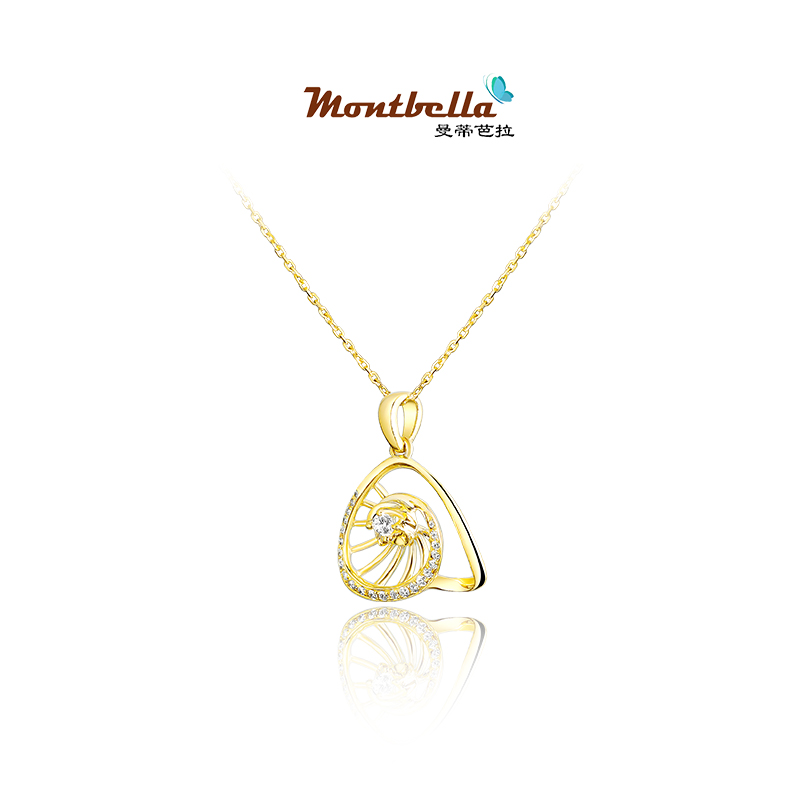
The metal you choose affects both the durability and the look of your necklace. Your choice should complement the wearer's skin tone and match other jewelry in their collection.
Here is a comparison of the most popular metals for diamond pendants:
Metal Type | Description | Durability | Maintenance | Best For |
Platinum | Naturally white, dense, and hypoallergenic. | Extremely Durable | Low; resists tarnish but may develop a patina over time. | Those with sensitive skin or wanting an heirloom piece. |
18k Gold | 75% pure gold. Rich, intense color. | Moderate; softer than 14k. | Moderate; requires polishing to maintain shine. | vivid yellow or warm rose gold tones. |
14k Gold | 58.3% pure gold. A balance of purity and strength. | High; resistant to scratching. | Low to Moderate. | Everyday wear and active lifestyles. |
Sterling Silver | An affordable white metal alternative. | Low; prone to bending and scratching. | High; tarnishes easily and requires regular cleaning. | Budget-conscious fashion pieces (rare for high-value diamonds). |
The length of the chain determines where the diamond sits on your chest, which changes the vibe of the necklace.
· 16 inches (Choker/Collar length): Sits at the base of the neck. This length is great for open necklines like scoop or V-necks and highlights the collarbone.
· 18 inches (Princess length): The most popular choice. It hangs just below the collarbone and works well with almost any neckline, including crew necks and button-downs.
· 20-24 inches (Matinee length): Falls toward the bust. This is ideal for layering with shorter necklaces or for wearing over higher necklines like turtlenecks.
Beyond the monetary value of the materials, a diamond pendant is an investment in versatility. Unlike statement earrings or bold cocktail rings that might clash with certain outfits, a diamond pendant is a chameleon. It is appropriate for a job interview, a romantic dinner, or a grocery store run.
Furthermore, these necklaces are often passed down as family heirlooms. Because they don't face the same wear and tear as rings (which bang against surfaces), they maintain their condition for decades with minimal maintenance.
Yes, you absolutely can. Diamonds are the hardest natural substance on Earth, ranking a 10 on the Mohs scale. This makes them incredibly resistant to scratching. However, you should consider the setting. A bezel setting offers more protection for the stone than a prong setting. It is also wise to remove it while sleeping or showering to prevent the chain from snagging or soap residue from dulling the sparkle.
Over time, lotions, perfumes, and skin oils can create a film on your diamond, reducing its brilliance. To clean it at home, soak the necklace in a bowl of warm water mixed with a few drops of mild dish soap. Use a soft-bristled toothbrush to gently scrub the stone, especially the back where grime collects. Rinse thoroughly and pat dry with a lint-free cloth.
The Round Brilliant cut is the most popular because it offers the most sparkle. However, fancy shapes like the Princess (square) or Pear (teardrop) creates a unique, modern look. The Pear shape is particularly flattering as a pendant because its elongated form mimics the natural V-shape of the neckline.
A diamond pendant necklace is more than just a piece of jewelry; it is a personal signature. It reflects light onto your face, brightening your features and adding a layer of sophistication to your daily life. By prioritizing a high-quality cut and choosing a metal that suits your lifestyle, you ensure that your necklace remains a beloved favorite for years to come. Whether you prefer the understated elegance of a solitaire or the glamorous shimmer of a halo, the perfect pendant is waiting to tell your story.


