
Views: 0 Author: Site Editor Publish Time: 2025-12-18 Origin: Site
You glance down at your hand and notice something is missing. The blinding sparkle that once caught the light from across the room has dulled. Instead of a brilliant display of fire and scintillation, your diamond looks cloudy, flat, and lifeless.
Don't panic. Your diamond hasn't lost its quality, and it certainly hasn't been damaged. It is simply dirty.
Diamonds are magnets for grease and oil. Every time you apply hand lotion, run your fingers through your hair, or even cook dinner, a thin layer of film accumulates on the stone. This film blocks light from entering the diamond and reflecting back to your eye, which is what causes that coveted sparkle. Fortunately, restoring that showroom shine is simple, inexpensive, and can be done right in your kitchen.
This guide covers everything you need to know about maintaining your jewelry, including the safest cleaning methods, products to avoid, and specific care tips for different metal settings.
The safest and most effective way to clean a diamond ring is by soaking it in a solution of warm water and mild dishwashing soap. This gentle method breaks down grease and oil without damaging the stone or the metal setting.
While there are dozens of "hacks" online involving ketchup, beer, or baking soda, professional jewelers consistently recommend the soap-and-water method because it is safe for almost all ring types.
Follow these simple steps to bring the brilliance back to your ring:
1. Prepare the solution: Fill a small bowl with warm (not hot) water. Add a few drops of mild dish soap. Degreasing dish soap works best because it specifically targets the oils that dull diamonds.
2. Let it soak: Place your ring in the bowl and let it sit for 20 to 40 minutes. This dwell time is crucial as it allows the soap to loosen the hardened grime, lotion, and dirt trapped in the crevices.
3. Brush gently: Use a very soft toothbrush—a baby toothbrush is ideal—to gently scrub the stone. Pay special attention to the underside of the diamond (the pavilion). This is where oil and dead skin cells accumulate and block light from entering the stone. If the back of the diamond is dirty, the front won't sparkle.
4. Rinse thoroughly: Rinse the ring under warm running water to remove all soap residue. Important: Always plug your drain before rinsing to prevent a heartbreaking accident.
5. Dry properly: Gently pat the ring dry with a soft, lint-free cloth, like a microfiber towel or a jewelry cloth. Avoid using paper towels, which can scratch softer metals like gold.
You should strictly avoid chlorine bleach, acetone, abrasive powders, and toothpaste when cleaning diamond rings.
While diamonds are the hardest natural substance on Earth, the precious metals holding them in place are not. Using the wrong chemicals can pit, discolor, or even dissolve the metal settings, potentially causing the diamond to fall out.
· Chlorine Bleach: Never use bleach or cleaners containing chlorine. Chlorine can chemically react with gold alloys, breaking them down and making the prongs brittle.
· Toothpaste: This is a common myth. Toothpaste contains abrasives (like baking soda or silica) designed to scrub plaque off teeth. These abrasives are too harsh for polished metals and can leave tiny scratches on gold or platinum, ruining the finish.
· Acetone/Nail Polish Remover: While pure acetone might not hurt the diamond, it can damage plastic or composite fillers in lower-clarity diamonds and can discolor certain base metals.
· Ultrasonic Cleaners: These machines use sound waves to vibrate dirt loose. While effective, the intense vibrations can shake stones loose from their settings, especially in pavé styles where tiny diamonds are held by minimal metal.
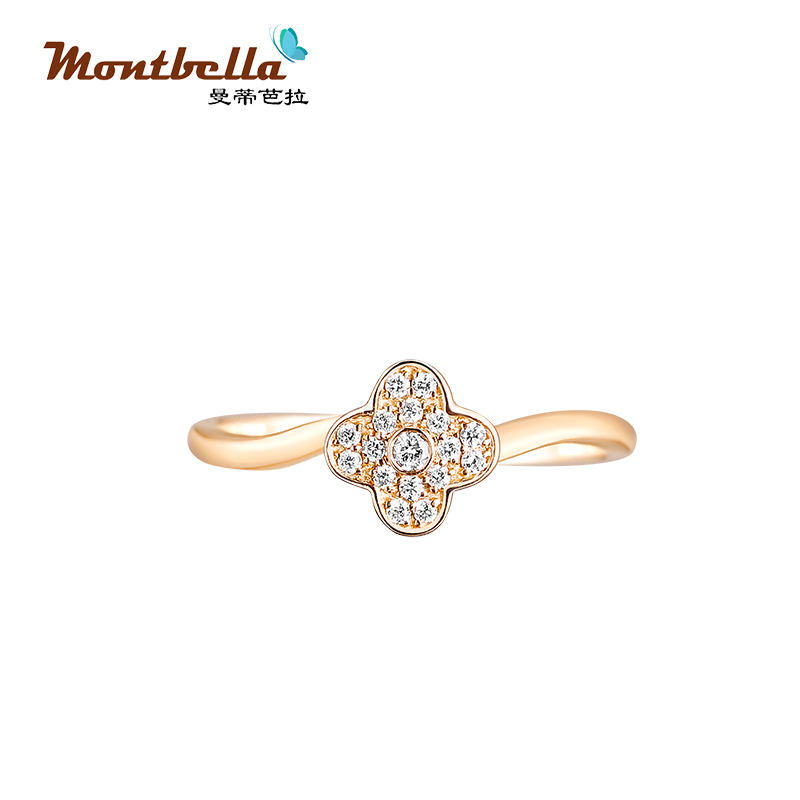
Yes, the type of metal band dictates how vigorously you can scrub and which chemicals you must avoid.
While the diamond itself is resilient, the ring is a composite object. For example, gold rings for women are incredibly popular due to their timeless beauty, but gold is a malleable and soft metal. A 24k gold ring is much softer than a 14k gold ring. When cleaning gold, you must use a very soft touch to avoid scratching the surface.
Platinum is more durable than gold but can dull over time, developing a "patina." Cleaning removes dirt, but it won't remove the patina—that requires professional polishing. Silver tarnishes easily and may require a specialized silver polishing cloth in addition to the soap-and-water method.
To help you decide what is safe to use on your jewelry, refer to the table below.
Cleaning Agent | Safety Level | Notes |
Dish Soap & Water | ✅ Safe | The industry standard. Safe for all metals and diamonds. |
Windex (Ammonia) | ⚠️ Caution | Okay for diamonds and gold, but can damage porous gems (emeralds, opals) if they are also on the ring. |
Vinegar | ⚠️ Caution | Acidic nature can damage semi-precious stones or porous metals over time. |
Toothpaste | ❌ Unsafe | Too abrasive. Will scratch gold and platinum finishes. |
Bleach | ❌ Unsafe | Can cause structural damage to the metal alloys. |
Boiling Water | ❌ Unsafe | Thermal shock can cause diamonds to crack or fracture if they have inclusions. |
You should perform a light cleaning on your ring once a week to keep everyday oils from building up.
A thorough, deep clean (soaking for 40+ minutes) is recommended once a month. However, excessive scrubbing can eventually wear down the finish of the metal, so be gentle.
In addition to home cleaning, it is advisable to take your ring to a professional jeweler twice a year. They have professional-grade steam cleaners that can blast away dirt from areas your toothbrush can't reach. More importantly, they will check the prongs to ensure your diamond is secure.
Technically, yes, you can use a mixture of white vinegar and water to clean a diamond ring, as it helps dissolve mineral buildup. However, vinegar is acidic. If your ring contains other gemstones specifically porous ones like pearls, opals, or emeralds, vinegar can permanently damage them. Stick to dish soap to be safe.
Yes, a solution of half hydrogen peroxide and half Windex is a popular home remedy for soaking diamond rings. The peroxide kills bacteria, and the Windex helps remove dirt. However, ensure your ring is solid gold or platinum. If you have a plated ring or one with other gemstones, avoid this mixture.
If your diamond still looks cloudy after cleaning, you may not have rinsed it thoroughly, leaving a soap scum film on the surface. Alternatively, the "cloudiness" might be a result of hard water spots. Dry the ring immediately after rinsing with a lint-free cloth to prevent these spots. If it remains cloudy, the stone may have internal fluorescence or dirt trapped in an unreachable area, requiring professional steam cleaning.
No, you should not boil your diamond ring. While heat can loosen dirt, the rapid change in temperature (thermal shock) poses a risk. If your diamond has internal inclusions or fractures, the sudden heat can cause the stone to crack. Additionally, boiling water can loosen the metal setting.
Maintaining the fire and brilliance of your diamond doesn't require expensive equipment or harsh chemicals. In fact, the simpler the method, the better it is for the longevity of your jewelry. By establishing a routine of soaking your ring in warm soapy water and brushing it gently, you ensure that light can refract properly through the stone.
Remember, the goal isn't just to clean the diamond, but to protect the integrity of the setting—especially if you own delicate gold rings for women or antique pieces. When in doubt, stick to soap and water, and visit your jeweler for a semi-annual check-up.


