
Views: 0 Author: Site Editor Publish Time: 2025-10-28 Origin: Site
You've found the perfect ring, planned an unforgettable proposal, and now there's just one question left: which hand does the wedding ring go on?
For many people, the answer seems obvious—the left hand, fourth finger. But dig a little deeper, and you'll find that wedding ring traditions vary widely across cultures, religions, and even personal preferences. Some wear their rings on the right hand, others switch hands after marriage, and a growing number are rewriting the rules entirely.
Whether you're planning a wedding, curious about cultural customs, or simply want to understand the symbolism behind this timeless tradition, this guide will walk you through everything you need to know about wedding ring placement.
In many Western countries—including the United States, Canada, the United Kingdom, and Australia—the wedding ring is traditionally worn on the fourth finger of the left hand. This custom dates back thousands of years and is rooted in both romantic symbolism and historical beliefs.
The tradition of wearing a wedding ring on the left hand can be traced back to ancient Rome. Romans believed that a vein, known as the vena amoris or "vein of love," ran directly from the fourth finger of the left hand to the heart. By placing a ring on this finger, couples symbolically connected their hearts through an unbroken bond.
While modern anatomy has since disproven this belief—there's no such dedicated vein—the romantic symbolism has endured for centuries.
Christian wedding ceremonies have also played a significant role in cementing this tradition. During many Christian weddings, the officiant places the ring on the bride's left hand while reciting "In the name of the Father, the Son, and the Holy Spirit," touching the thumb, index, and middle fingers before finally resting the ring on the fourth finger.
This ritual reinforced the left hand as the "correct" placement for a wedding ring in many Western societies.
While the left hand is common in Western cultures, many countries and religions follow a different tradition: wearing the wedding ring on the right hand.
In several European countries, the right hand is the preferred choice for wedding rings. This includes:
◆Germany, Austria, and Norway: Couples wear their engagement rings on the left hand but move them to the right hand after marriage.
◆Russia, Poland, and Greece: Wedding rings are traditionally worn on the right hand from the start.
◆India: While customs vary by region and religion, many Indian brides wear their wedding rings on the right hand.
Certain religious traditions also influence wedding ring placement:
◆Orthodox Christianity: In Eastern Orthodox churches, the right hand is considered the "hand of honor" and is therefore used for wedding rings.
◆Judaism: Some Jewish couples wear their wedding rings on the right hand, though this varies by community and personal preference.
◆Hinduism: Hindu brides may wear rings on the right hand, though toe rings are also a traditional symbol of marriage in some regions.
These variations highlight how deeply personal and culturally specific wedding ring customs can be.
Not everyone follows traditional rules when it comes to wedding ring placement. More couples are choosing what feels right for them, rather than adhering to centuries-old customs.
Some couples start by wearing their engagement ring on their left hand, then move it to the right hand on their wedding day to make room for the wedding band. Others stack both rings on the same finger, with the wedding band worn closest to the heart.
Same-sex couples, in particular, have embraced the freedom to wear their rings on whichever hand they prefer. Without the weight of gendered tradition, many LGBTQ+ couples choose based on comfort, aesthetics, or personal meaning.
For some people, the decision comes down to practicality. Left-handed individuals may prefer wearing their ring on the right hand to reduce wear and tear. Those in professions that involve frequent hand use—such as healthcare workers, musicians, or manual laborers—may also choose the hand that feels most comfortable or safe.
A growing number of couples are opting out of traditional wedding rings altogether. Some choose alternative symbols like tattoos, while others simply don't wear rings at all. The emphasis is shifting toward what feels authentic, rather than what's expected.
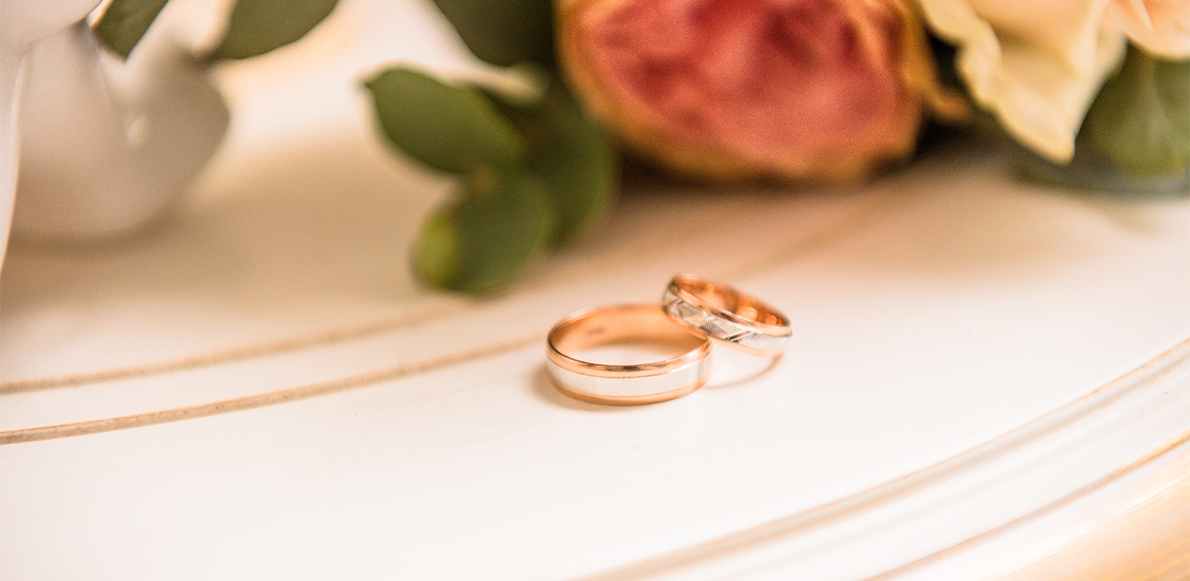
At the end of the day, the hand you wear your wedding ring on is a deeply personal choice. Whether you follow tradition, honor your cultural heritage, or forge your own path, what matters most is the commitment and love the ring represents.
If you're unsure which hand to choose, consider these questions:
◆What does your cultural or religious background suggest? If tradition is important to you, this might guide your decision.
◆What feels most comfortable? Think about your dominant hand and daily activities.
◆What does your partner prefer? Some couples choose to match, while others embrace individuality.
◆What resonates with you personally? Your wedding ring is a reflection of your unique love story—wear it in a way that feels meaningful to you.
Absolutely. While the fourth finger is traditional, some people wear their wedding rings on other fingers for comfort, style, or personal significance.
In many Western cultures, yes. The engagement ring is typically worn on the left hand, and the wedding band is added during the ceremony. Some people then move the engagement ring on top of the wedding band, while others wear them stacked in reverse order.
Many left-handed people do prefer wearing their ring on the right hand to minimize damage or discomfort. Ultimately, it's up to you.
Superstitions vary by culture. Some believe it's unlucky, while others see no issue with it. If you're concerned, you can always wait until after the ceremony.
Wedding rings have been exchanged for thousands of years, evolving through different cultures, religions, and eras. Whether you wear yours on your left hand, right hand, or not at all, the true significance lies in the love and commitment it represents.
So, what hand does a wedding ring go on? The answer is simple: whichever one feels right to you.


